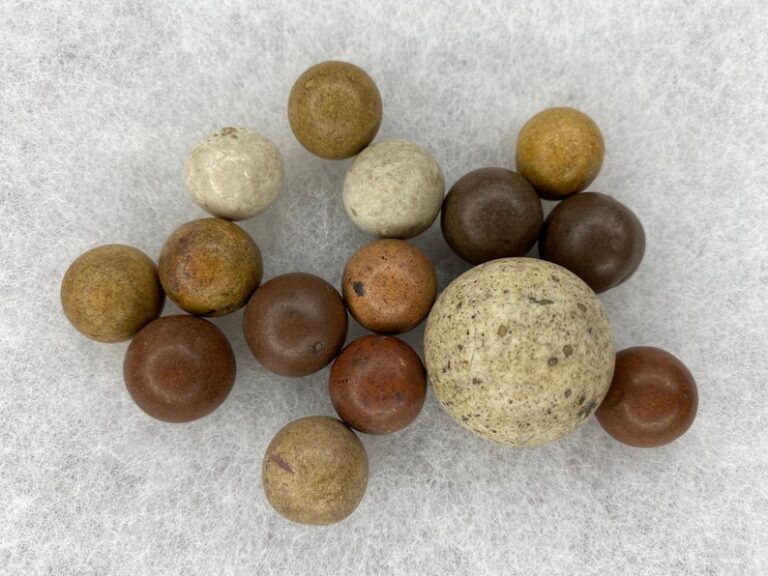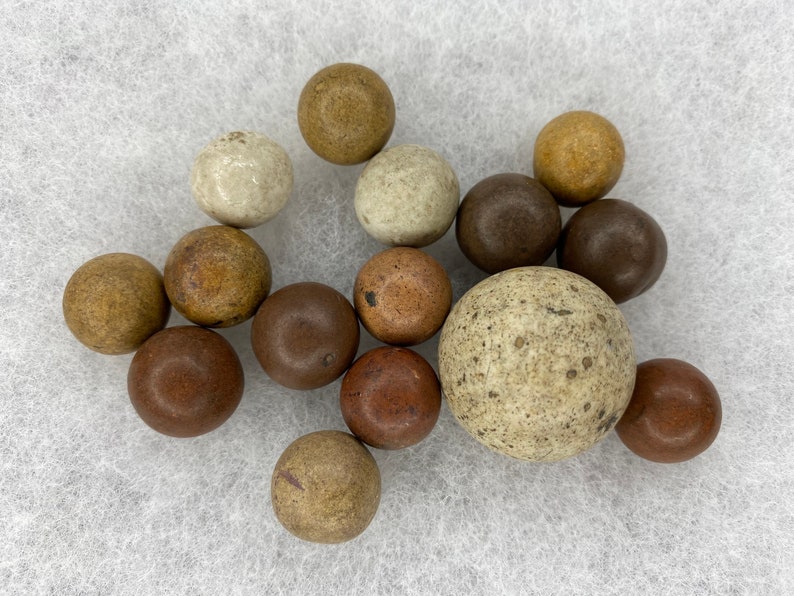
Toy marbles have a timeless charm that has captivated generations. What started as simple spherical playthings has evolved into a collectible hobby, a nostalgic pastime, and even a thriving culture of marble enthusiasts. From casual collectors to dedicated hobbyists, the world of marbles is filled with rich history, intricate craftsmanship, and vibrant communities. This article explores the fascinating universe of toy marbles, including marble shows, collectibles, and organized hunting tours for enthusiasts.
A Brief History of Marbles
Marbles have existed for thousands of years. Archaeologists have discovered clay and stone marbles in ancient civilizations such as Egypt, Rome, and Mesopotamia. The earliest marbles were often handmade and crafted from natural materials, including stone, clay, and glass. By the 19th century, industrial production techniques enabled mass manufacturing, making glass marbles accessible to children worldwide.
The United States played a significant role in popularizing toy marbles. In the early 1900s, companies like Akro Agate and Christensen Agate introduced brightly colored and swirled glass marbles, turning simple play objects into miniature works of art. Today, antique marbles from this era are highly prized by collectors, fetching hundreds or even thousands of dollars at auctions.
The Art and Variety of Marbles
Marbles are celebrated not just for their playful qualities but for their artistry. They come in diverse shapes, sizes, and patterns. Popular types include:
- Swirls: Marbles with intricate, twisted color patterns inside.
- Cat’s Eyes: Marbles with a central colored design resembling a cat’s eye.
- Onionskin Marbles: Handmade marbles with layered, colorful patterns.
- Agates: Highly prized, natural-looking marbles made of polished stone or agate.
- Borosilicate Marbles: High-end marbles crafted from durable glass for artistic display.
Collectors often focus on specific types, manufacturers, or historical eras. Rare marbles, such as handmade ones from the early 20th century, are highly sought after due to their beauty, craftsmanship, and scarcity.
Marble Shows: A Collector’s Paradise
Marble shows are the heart of the marble collecting community. These events provide enthusiasts with a chance to showcase their collections, trade rare marbles, and meet like-minded collectors. Major marble shows often include exhibitions, auctions, workshops, and competitions.
One of the most well-known events in the United States is the Marble Collectors Convention, held annually in various cities. Exhibitors display hundreds of rare and antique marbles, offering attendees the opportunity to buy, sell, or trade. These conventions often feature educational sessions on marble history, identification, and grading.
In addition to large conventions, local marble shows and fairs are popular among hobbyists. These smaller gatherings are ideal for new collectors, as they offer an intimate environment to learn about marbles, discover hidden gems, and build personal connections within the community.
What to Expect at a Marble Show
When attending a marble show, collectors should come prepared. Essential items often include:
- Display Cases: To safely showcase and protect valuable marbles.
- Magnifying Glass: For examining intricate patterns and details.
- Identification Guides: Books or printouts listing marble types, makers, and eras.
- Cash or Payment Methods: Many collectors prefer in-person transactions for rare finds.
Beyond the tangible items, marble shows offer an immersive experience. Attendees often engage in storytelling, sharing personal experiences with marbles, childhood memories, and collecting tips. For many, the social aspect of these shows is just as rewarding as acquiring rare pieces.
Collectibles Hunting Tours
In recent years, organized collectibles hunting tours have emerged as a thrilling way to discover marbles and other nostalgic toys. These tours are designed for both hobbyists and families, combining the excitement of treasure hunting with historical exploration.
Collectors hunting tours often visit antique shops, flea markets, estate sales, and specialized stores known for vintage toys. Tour guides, often seasoned collectors themselves, provide insider knowledge, teaching participants how to identify valuable marbles, assess their condition, and negotiate purchases.
Some tours even focus on historically significant locations. For example, a tour in Pennsylvania might highlight sites connected to famous marble manufacturers like Akro Agate, offering participants a deeper understanding of the craft and history behind the collectibles.
Benefits of Collectibles Hunting Tours
- Education: Participants learn to identify authentic marbles, spot fakes, and understand grading systems.
- Networking: Tours provide opportunities to connect with fellow collectors and industry experts.
- Access to Rare Finds: Guides often know hidden spots where rare or antique marbles can be found.
- Family-Friendly Fun: Many tours include hands-on activities for children, inspiring a new generation of marble enthusiasts.
For avid collectors, hunting tours can be highly rewarding, offering access to pieces that might never appear in regular stores or online marketplaces.
The Community Aspect
The marble hobby extends beyond collecting; it fosters a vibrant community. Online forums, social media groups, and collector clubs allow enthusiasts worldwide to share discoveries, exchange advice, and trade marbles. Many communities organize competitive events where participants play traditional marble games, such as “Ringer” or “Target Marble,” blending the joy of play with the thrill of strategy.
These social interactions strengthen the hobby and preserve the cultural significance of marbles. Younger collectors often learn from experienced hobbyists, ensuring that knowledge about rare marbles, grading, and history is passed down through generations.

Tips for New Collectors
Starting a marble collection can be both exciting and overwhelming. Here are some essential tips:
- Start Small: Begin with a few marbles that appeal to you. Focus on quality over quantity.
- Research: Learn about different marble types, patterns, and historical makers. Books, online forums, and museum collections are invaluable resources.
- Attend Shows: Visit marble shows and flea markets to see marbles in person and connect with other collectors.
- Handle with Care: Many antique marbles are fragile. Avoid dropping or scratching them.
- Document Your Collection: Keep records of purchases, including details about maker, age, condition, and price. This documentation is useful for insurance and trading.
Visit blogs and forums on marbles like https://vintagemarbles.co.uk/blog/
By taking a patient and informed approach, new collectors can gradually build a meaningful and valuable collection.
Preserving the Hobby
Marbles are more than toys; they are artifacts of cultural history. Preserving the hobby involves encouraging new generations to explore collecting, playing, and learning about marbles. Museums and historical societies occasionally host marble exhibitions, showcasing rare and artistic pieces. These exhibitions highlight the craftsmanship and history behind marbles, inspiring visitors to appreciate them not only as toys but also as works of art.
Parents and educators can also promote the hobby by introducing children to marble games, crafting DIY marbles, and exploring historical context. Such engagement fosters creativity, dexterity, and curiosity, ensuring that marbles continue to enchant people of all ages.
Online Collecting and Auctions
In addition to physical shows and tours, the internet has revolutionized marble collecting. Online marketplaces, auction platforms, and collector forums allow enthusiasts to buy, sell, and trade marbles globally. Websites such as eBay, Etsy, and specialized marble auction sites provide access to rare marbles that may not be available locally.
Online communities also provide educational content, including guides for identifying authentic marbles, tutorials for restoring or cleaning antique pieces, and videos demonstrating traditional marble games. This virtual connection broadens the reach of the hobby, making it accessible to anyone with an internet connection.
The Joy of Hunting
For many collectors, the thrill lies not just in owning rare marbles but in the pursuit itself. Whether attending a marble show, participating in a hunting tour, or scouring a flea market, discovering a unique or rare marble is immensely satisfying. The process involves patience, research, and a bit of luck—qualities that make collecting marbles a rewarding experience.
Each find has a story. A single marble may carry historical significance, reflect the artistic skill of its maker, or evoke personal memories of childhood. This connection between the object and its history is what sets marble collecting apart from other hobbies.
Conclusion
Toy marbles have evolved far beyond simple playthings. They are collectibles, artistic objects, and symbols of a rich cultural history. Marble shows, collectibles hunting tours, and the vibrant online community all contribute to preserving this hobby and inspiring new generations of enthusiasts.
Whether you are a casual collector, a dedicated hobbyist, or someone seeking a nostalgic adventure, the world of marbles offers endless fascination. Attending a marble show, joining a hunting tour, or simply exploring antique shops can open doors to discovery, learning, and a shared passion for these tiny, colorful spheres.
In a world increasingly dominated by digital entertainment, marbles remind us of the joy of tactile play, the excitement of the hunt, and the beauty of craftsmanship. For those who dare to explore, the hunt for rare and beautiful marbles is not just a hobby—it is a journey through history, art, and community.
About the Author